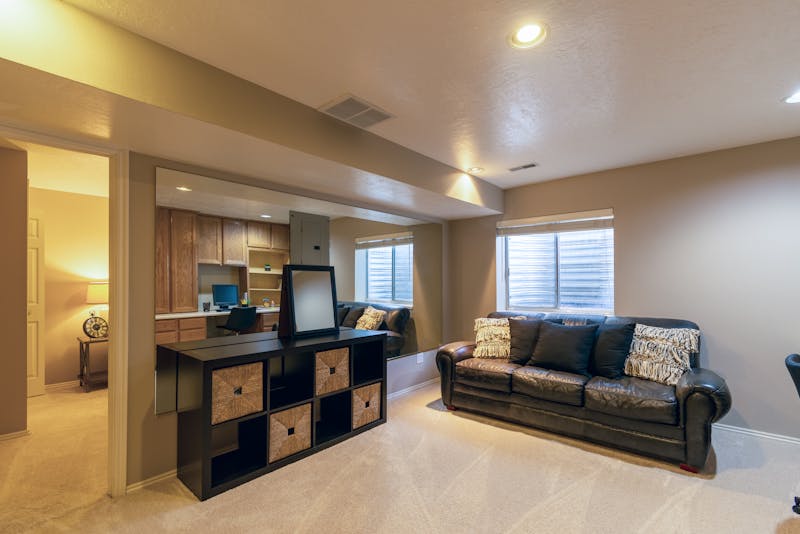
- Start with a clear plan: Understand the purpose of your basement renovation before making design or material decisions.
- Assess existing conditions: Inspect for moisture, foundation issues, ceiling height, and electrical or plumbing needs.
- Prioritize moisture control: Waterproofing, proper drainage, and ventilation are essential to prevent mold and damage.
- Choose practical materials: Flooring, insulation, and drywall should be durable, moisture-resistant, and suitable for basement conditions.
- Plan lighting and layout carefully: Layered lighting and a well-thought-out layout improve functionality and comfort.
- Consider permits and professional help: Electrical, plumbing, and structural work may require licensed professionals and approvals.
- Focus on long-term value: A well-finished basement adds livable space, functionality, and increases overall home value.
Finishing a basement is one of the most effective ways homeowners can add functional living space without expanding their home’s footprint. Whether you envision a family room, home office, guest suite, or entertainment area, a well-planned basement renovation can dramatically improve comfort, usability, and property value. However, before choosing paint colors or furniture, it’s essential to understand where to start and what factors matter most. From moisture control and building codes to layout planning and budgeting, the early decisions you make will shape the success of the entire project.
This guide breaks down practical basement finishing ideas and considerations to help homeowners move forward with clarity and confidence.
Why Should You Finish Your Basement?
Before diving into design and construction, homeowners should clearly understand the motivation behind finishing a basement. This foundational step influences every decision that follows, from layout planning to material selection and budgeting. A finished basement is more than just extra square footage; it is an opportunity to improve how your home functions and feels. Clarifying your goals early helps prevent costly changes later and ensures the finished space aligns with your household’s long-term needs.
Whether the goal is comfort, value, or flexibility, understanding the “why” helps you make smarter choices throughout the renovation process.
Common Reasons Homeowners Finish Their Basements
- Creating additional living or entertainment space
- Accommodating growing families or multigenerational living
- Increasing property value and resale appeal
- Adding income through rental or guest accommodations
- Improving storage, organization, and home functionality
Basement Finishing Ideas: Where to Start and What to Consider First
Starting a basement finishing project without a plan often leads to delays, budget overruns, and design regrets. Homeowners should begin by assessing the current condition of the basement and identifying any structural or environmental issues that need attention first. Moisture, insulation, ceiling height, and access points all play a role in determining what’s feasible.
This early evaluation helps establish realistic expectations and ensures your renovation starts on solid ground. By addressing practical considerations before design ideas, you create a smoother path toward a finished basement that’s both functional and durable.
First Steps to Take Before Any Renovation
- Inspect walls and floors for moisture or water damage
- Measure ceiling height and identify obstructions like ductwork
- Evaluate existing electrical, plumbing, and HVAC systems
- Determine intended use for the finished space
- Consult local building codes and permit requirements
How Do You Assess Your Basement’s Current Condition?

Understanding your basement’s existing condition is critical before investing time and money into finishing it. Many basements hide issues such as water intrusion, uneven floors, or outdated wiring that can complicate renovations if left unaddressed. A thorough assessment helps homeowners identify potential risks early and prioritize repairs before cosmetic improvements begin.
This step ensures safety, compliance, and long-term durability while preventing costly surprises later. Taking the time to evaluate the space properly creates a realistic foundation for all basement finishing ideas that follow.
Key Areas to Inspect Carefully
- Foundation walls for cracks or signs of seepage
- Floors for unevenness or moisture buildup
- Windows for leaks and proper egress sizing
- Electrical panels and wiring capacity
- Ventilation and air circulation
What Basement Layout Makes the Most Sense?
Choosing the right layout is one of the most impactful decisions homeowners make when finishing a basement. The layout determines traffic flow, functionality, and how comfortable the space feels once completed. Basements often come with limitations such as support columns, low ceilings, or mechanical rooms that must be worked around creatively.
A well-thought-out layout balances openness with defined areas, allowing the basement to feel inviting rather than confined. Planning the layout early ensures the space serves its intended purpose efficiently and avoids awkward design compromises.
Popular Basement Layout Options
- Open-concept family or entertainment spaces
- Divided layouts with multiple functional rooms
- Combination layouts with shared and private zones
- Zoned layouts for work, play, and relaxation
How Important Is Moisture Control Before Finishing?
Moisture control is one of the most critical factors homeowners must address before finishing a basement. Even minor dampness can lead to mold growth, damaged materials, and unhealthy indoor air quality if ignored. Basements are naturally prone to moisture due to their location below ground, making proactive solutions essential.
Addressing moisture issues early protects your investment and ensures the finished space remains comfortable and safe. Without proper moisture control, even the most beautiful basement finishing ideas can quickly fail.
Effective Moisture Control Solutions
- Interior or exterior waterproofing systems
- Proper grading and drainage around the foundation
- Vapor barriers behind walls and flooring
- Dehumidifiers and ventilation improvements
- Sealing cracks and foundation penetrations
What Flooring Works Best for Finished Basements?
Selecting the right flooring is essential for durability, comfort, and long-term performance in a basement environment. Unlike upper levels, basements are exposed to temperature fluctuations and moisture risks that can damage unsuitable materials. Homeowners should choose flooring options designed to withstand these conditions while still supporting their design goals.
The right flooring enhances comfort underfoot, improves insulation, and reduces maintenance concerns. Thoughtful selection ensures your finished basement remains functional and visually appealing for years.
Basement-Friendly Flooring Options
- Luxury vinyl plank or tile
- Engineered hardwood
- Ceramic or porcelain tile
- Sealed concrete with decorative finishes
- Carpet tiles with moisture-resistant backing
How Do You Handle Lighting in a Basement?
Lighting plays a major role in transforming a basement from dark and uninviting to bright and welcoming. Because basements often have limited natural light, homeowners must rely on layered lighting strategies to create warmth and balance. Proper lighting improves functionality, highlights design features, and enhances overall comfort. Planning lighting early allows for better wiring placement and fixture selection. A well-lit basement feels like a true extension of the home rather than an afterthought.
Smart Basement Lighting Strategies
- Recessed ceiling lights for general illumination
- Wall sconces to add warmth and depth
- Task lighting for work or hobby areas
- Light-colored finishes to reflect light
- Maximizing natural light from windows
What Insulation and Drywall Choices Matter Most?
Insulation and drywall are foundational components of any basement finishing project, directly affecting comfort, energy efficiency, and sound control. Proper insulation helps regulate temperature while preventing condensation buildup within walls. Choosing the right drywall ensures durability and compliance with building standards.
Homeowners who invest in quality materials at this stage benefit from lower energy costs and improved comfort. These behind-the-scenes elements play a crucial role in the success of finished basement spaces.
Recommended Insulation and Wall Materials
- Rigid foam insulation for moisture resistance
- Fiberglass or mineral wool for sound control
- Moisture-resistant drywall for basement walls
- Fire-rated drywall where required by code
Do You Need Permits and Professional Help?
Many homeowners underestimate the importance of permits and professional guidance when finishing a basement. Electrical work, plumbing additions, and structural changes often require approval to meet safety and building standards. Hiring licensed professionals ensures work is done correctly and reduces the risk of costly mistakes.
Proper permits also protect homeowners during resale, preventing legal or inspection issues. Understanding local requirements early keeps the project compliant and stress-free.
When to Hire Professionals
- Electrical and plumbing installations
- Structural modifications or wall removal
- HVAC system adjustments
- Waterproofing and foundation repairs
How Can Basement Finishing Increase Home Value?
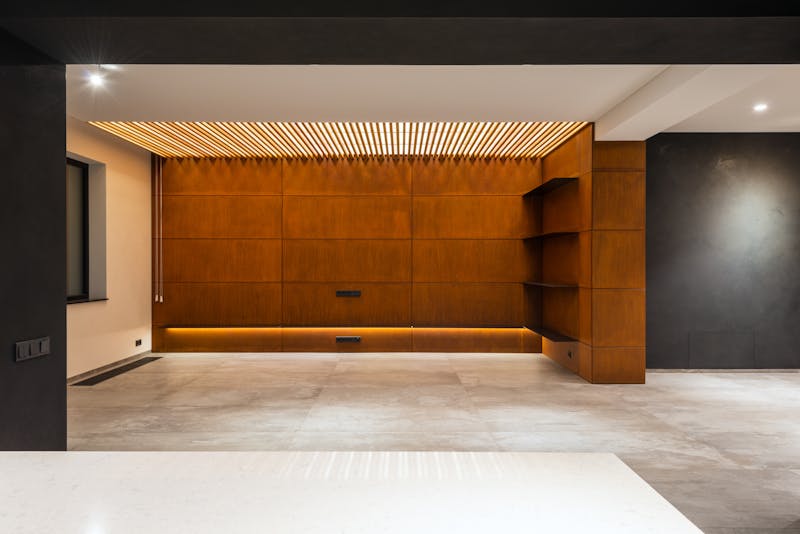
A finished basement can significantly increase a home’s value when done correctly. Homebuyers often view finished basements as a bonus living space that adds versatility and comfort. However, value depends on quality, functionality, and compliance with building standards. Homeowners should focus on timeless designs and practical layouts that appeal to a broad audience. Thoughtful basement finishing ideas enhance both daily living and long-term return on investment.
Value-Boosting Basement Features
- Flexible multi-purpose rooms
- Proper egress windows for safety
- Energy-efficient lighting and insulation
- Neutral, durable finishes
- Adequate storage solutions
How Can You Maximize Storage in a Finished Basement?
A finished basement offers the perfect opportunity to add smart and functional storage solutions that keep the space organized and clutter-free. Homeowners often underestimate how much storage can enhance comfort and usability in basement areas. Maximizing storage doesn’t just mean adding shelves; it involves creative planning that integrates storage seamlessly into the design. Consider built-in cabinets, under-stair drawers, and multipurpose furniture that doubles as storage.
Storage Ideas for Finished Basements:
- Built-in shelving units along walls to maximize vertical space
- Closets or wardrobe areas for guest bedrooms or home offices
- Storage under seating or benches in media or family rooms
- Hidden compartments behind paneling or within furniture
- Stackable bins and modular organizers for seasonal items or toys
By incorporating these strategies early in your planning process, you ensure your finished basement is both beautiful and highly functional.
Final Thoughts: Planning Leads to Better Basement Results
Finishing a basement is a rewarding project when approached with careful planning and informed decisions. Homeowners who take the time to assess conditions, define goals, and address practical considerations are far more likely to achieve lasting results. From moisture control and layout planning to lighting and material selection, each step builds upon the last. By starting with the right foundation, your basement can become a comfortable, valuable, and functional part of your home for years to come.