- Black mold thrives in damp, poorly ventilated basements and can pose serious health risks, including respiratory issues and skin irritation.
- Early identification is key: look for dark patches, musty odors, and peeling paint or wallpaper.
- Small mold infestations can be removed with DIY cleaning solutions like bleach, vinegar, or hydrogen peroxide, using proper protective gear.
- Large or persistent mold problems should be handled by professionals to ensure safe removal and prevent spread.
- Preventing mold is essential: fix leaks, improve ventilation, use dehumidifiers, and consider how to waterproof a basement.
- Regular inspections help detect mold early and protect both health and the home’s structural integrity.
Basements are prone to dampness, poor ventilation, and water leaks, which create the perfect environment for black mold growth. Black mold, also known as Stachybotrys chartarum, is not just an unsightly nuisance—it can pose serious health risks to homeowners. Understanding how to identify, remove, and prevent black mold is crucial for keeping your family safe and your home in good condition.
This guide explores the health hazards associated with black mold and provides practical solutions for remediation.
What Is Black Mold and Why Is It Dangerous?
Black mold is a type of fungus that thrives in damp, dark environments like basements. Unlike other molds, black mold produces mycotoxins, which are toxic compounds that can affect human health.
Even small patches of black mold can cause allergic reactions, respiratory problems, and irritation of the eyes, nose, and throat. Prolonged exposure may lead to chronic issues, especially for children, the elderly, or people with compromised immune systems. Recognizing the signs early is essential to prevent long-term health problems and structural damage to your home.
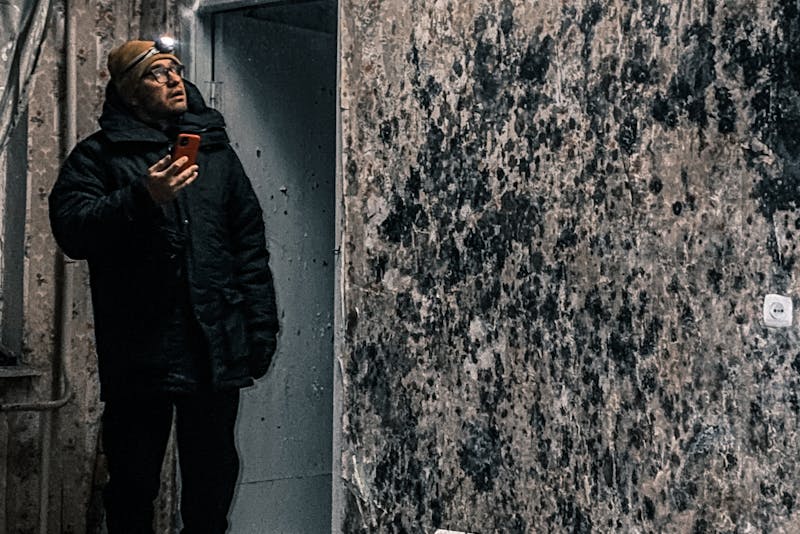
How to Identify Black Mold in Your Basement
Knowing how to spot black mold is the first step in effective removal. Black mold typically appears as:
- Dark green, black, or brown patches on walls, floors, or ceilings.
- A musty, damp odor that lingers even after cleaning.
- Discoloration or peeling of paint and wallpaper due to moisture.
If you notice any of these signs, it’s important to act quickly. Testing kits are available for homeowners, but severe infestations may require professional inspection to confirm the type of mold and the extent of the contamination.
Health Risks of Black Mold Exposure
Exposure to black mold can have serious health consequences, particularly for sensitive individuals. Common symptoms include:
- Chronic coughing or sneezing
- Nasal congestion and sinus irritation
- Skin rashes and eye irritation
- Worsening of asthma or respiratory conditions
In rare cases, prolonged exposure can lead to neurological symptoms such as headaches or memory issues. Homeowners should treat black mold seriously and take steps to remove it safely, especially in living spaces and areas frequently accessed by family members.
Effective Solutions: How to Get Rid of Black Mold in the Basement
Removing black mold requires careful planning and proper techniques. Here are some effective methods:
1. DIY Cleaning Solutions
Small patches of black mold can often be treated using household products:
- Mix one cup of bleach with one gallon of water and scrub affected areas with a brush.
- Use vinegar or hydrogen peroxide for a natural alternative that kills mold spores.
- Wear protective gear such as gloves, goggles, and a mask during cleaning.
Always ventilate the area while cleaning to prevent inhaling mold spores.
2. Professional Mold Remediation
If the mold problem is extensive or has reached inside walls and insulation, it’s best to call in a professional. Experts have access to specialized tools such as HEPA vacuums and air purifiers that can effectively eliminate mold while minimizing the risk of it spreading throughout your home.
Preventing Mold Growth in Your Basement
Prevention is the best strategy to avoid recurring mold problems. Basements often suffer from excess moisture due to leaks, condensation, or poor ventilation. Consider these tips:
- Fix leaks promptly: Repair cracks in walls and seal gaps around windows or doors.
- Improve ventilation: Use dehumidifiers or exhaust fans to reduce moisture levels.
- Waterproof your basement: Proper waterproofing techniques help keep walls and floors dry, making it harder for mold to grow. Knowing how to waterproof a basement is an investment that pays off in long-term protection.
- Regular inspections: Check for damp spots, musty odors, or discoloration periodically.
Implementing these measures reduces the likelihood of mold returning and helps maintain a healthy living environment.
When to Call a Professional
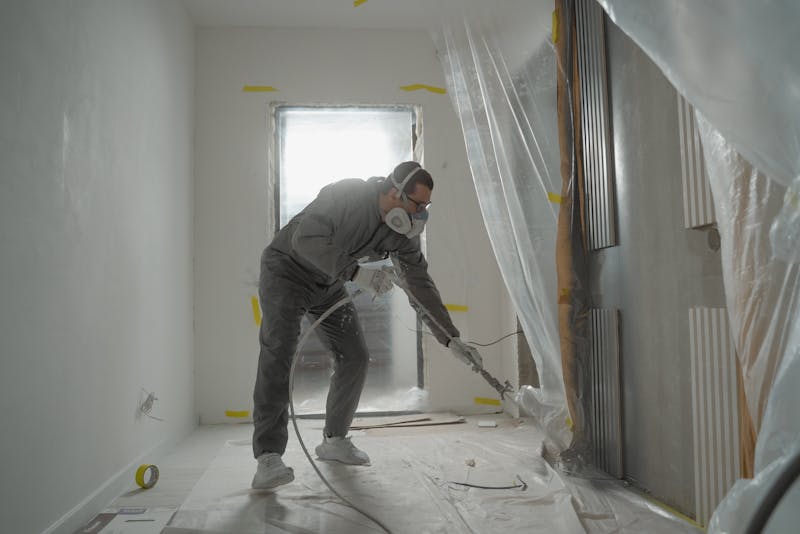
Some mold infestations are beyond DIY capabilities. Call a professional if:
- The affected area is larger than 10 square feet.
- Mold has infiltrated HVAC systems or insulation.
- You experience persistent health symptoms related to mold exposure.
Professionals not only remove mold safely but also identify underlying issues like leaks or inadequate drainage, ensuring long-term prevention.
Conclusion
Black mold in the basement is more than an aesthetic issue—it’s a serious health hazard that requires prompt action. Homeowners can tackle small infestations themselves using safe cleaning solutions, but larger problems should be handled by professionals. Prevention strategies, such as improving ventilation, sealing leaks, and learning how to waterproof a basement, are key to keeping mold at bay. By understanding the risks and solutions, you can protect both your family’s health and the integrity of your home.