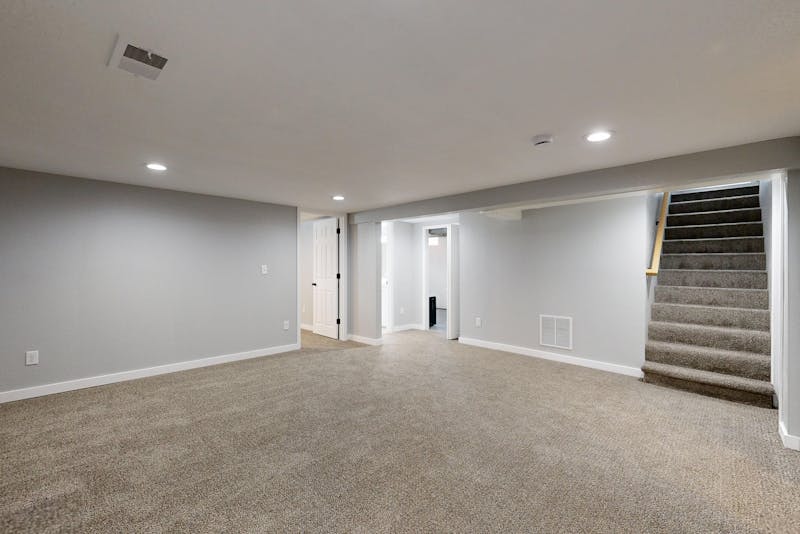
- Early detection of basement water issues, such as damp walls, mold, or cracks, is essential to prevent costly damage.
- Budget-friendly interior waterproofing methods include sealants, waterproof paint, sump pumps, and improved drainage.
- Exterior solutions like proper yard grading, gutter maintenance, and exterior sealants help prevent water from reaching the foundation.
- Choosing the right tools and materials, such as waterproof sealants, sump pump kits, and moisture meters, maximizes effectiveness without overspending.
- Combining DIY waterproofing with occasional professional help balances cost savings with long-term protection.
- Regular maintenance, seasonal inspections, and touch-ups are crucial to keeping basements dry over time.
- Waterproofing creates opportunities for affordable basement finishing ideas, allowing homeowners to transform the space while considering the cost of finishing a basement.
Water damage in basements is one of the most common issues homeowners face. Leaks, damp walls, and mold growth can not only damage your property but also create health hazards for your family. Many homeowners assume that waterproofing requires a significant investment, often costing thousands of dollars. However, there are practical ways to protect your basement from water intrusion without breaking the bank. With careful planning, the right materials, and some DIY effort, you can effectively waterproof your basement while staying within budget.
This article explores proven strategies for budget-friendly basement waterproofing. We’ll discuss signs of water damage, inexpensive methods, essential tools and materials, and tips for maintenance. By following these steps, homeowners can safeguard their basements, enhance the longevity of their home, and prepare their space for future improvements, such as basement finishing ideas.
Signs Your Basement Needs Waterproofing
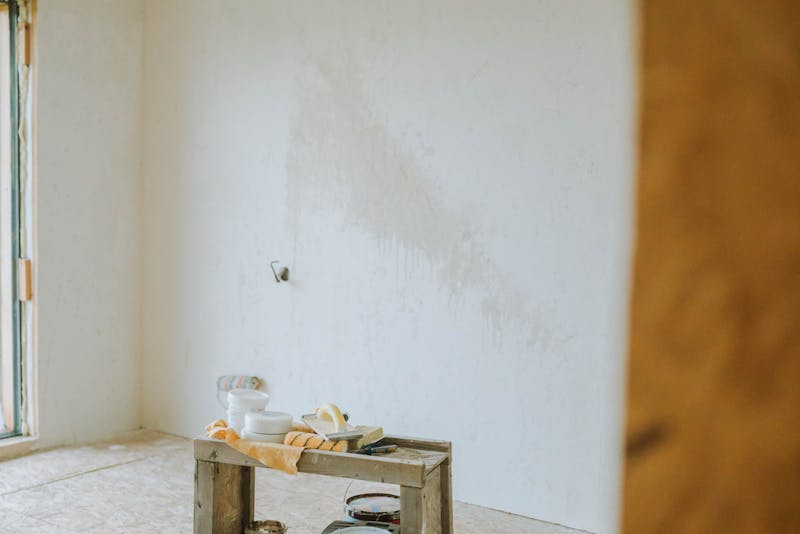
Identifying water problems early is essential to avoid costly repairs down the line. A basement that shows early warning signs can be treated with budget-friendly solutions, whereas delayed action may require expensive professional intervention. Knowing what to look for helps homeowners prioritize repairs and focus on effective waterproofing methods.
Common Warning Signs
- Damp Walls or Floors: Persistent moisture on walls or floors often indicates water seepage from the exterior.
- Mold or Mildew: Musty odors or visible mold growth signal high humidity or water intrusion.
- Cracks in Foundation Walls: Small cracks may allow water to penetrate and worsen over time.
- Efflorescence: White, powdery deposits on walls suggest mineral-laden water is coming through the foundation.
- Pooling Water: Standing water or frequent damp patches are clear signs your basement is vulnerable.
Recognizing these signs early allows homeowners to take proactive steps. Even modest waterproofing solutions can be highly effective if implemented before extensive damage occurs.
Interior Waterproofing Solutions for Budget-Friendly Basements
Interior waterproofing focuses on preventing water from spreading inside your basement. These methods are often more affordable than exterior excavation and can be done with some DIY skills.
Sealants and Waterproof Paint
Applying sealants and waterproof paint to walls is a cost-effective method to protect your basement from moisture. These products fill small cracks, prevent water penetration, and create a moisture-resistant barrier.
- Clean the walls thoroughly to remove dirt and dust.
- Apply a waterproofing primer before painting.
- Consider using epoxy-based sealants for areas prone to leaks.
This method is ideal for homeowners looking for a quick and inexpensive solution. Although it doesn’t address major structural issues, it can significantly reduce dampness and mold growth.
Installing a Sump Pump
A sump pump is a mechanical device installed in a pit to remove water that accumulates in the basement. While professional installation may cost more, homeowners can purchase budget-friendly units and install them with basic plumbing knowledge.
- Ensure the sump pump has a reliable power source.
- Regularly test the pump to prevent malfunctions.
- Combine with a backup battery system for added security.
Sump pumps are particularly useful in areas with high groundwater levels or frequent rainfall. They prevent water accumulation, protecting flooring and walls from damage.
Improving Interior Drainage
Proper interior drainage prevents water from pooling inside the basement. Simple solutions like trenching or installing a French drain along the perimeter can be cost-effective when executed carefully.
- Dig a shallow channel along the walls to guide water toward the sump pump.
- Use gravel and perforated pipes to enhance drainage.
- Ensure the drain slopes correctly to avoid water stagnation.
By combining drainage improvements with sealants or paint, homeowners can create a comprehensive interior waterproofing solution on a modest budget.
Exterior Waterproofing: How to Protect Your Basement from the Outside
Exterior waterproofing often involves excavation and professional work, which can be expensive. However, there are budget-friendly alternatives that focus on preventing water from reaching your foundation in the first place.
Proper Grading Around Your Home
The slope of your yard significantly affects basement moisture. Water should always flow away from your foundation. Adjusting the grading is an inexpensive way to reduce water pressure against walls.
- Ensure soil slopes at least 6 inches over 10 feet from the foundation.
- Use soil, gravel, or mulch to correct low spots near your basement.
- Check the slope regularly after heavy rains.
Even small changes in yard grading can have a dramatic impact on water intrusion and help preserve your basement over time.
Gutter and Downspout Maintenance
Clogged gutters and poorly directed downspouts are common causes of basement leaks. Keeping them in good condition is an affordable and effective preventive measure.
- Clean gutters at least twice a year.
- Extend downspouts to discharge water at least 6 feet from the foundation.
- Use splash blocks or underground pipes to redirect runoff.
This simple maintenance reduces the volume of water around your home, lowering the risk of basement leaks.
Applying Exterior Sealants
Exterior waterproofing sealants or coatings can also be applied without full excavation. These products are designed to repel water and prevent seepage through cracks in the foundation.
- Inspect exterior walls for visible cracks or gaps.
- Apply waterproofing compounds according to the manufacturer’s instructions.
- Reapply every few years to maintain effectiveness.
While not as thorough as full excavation and foundation waterproofing, this approach is ideal for budget-conscious homeowners seeking added protection.
Affordable Tools and Materials for Basement Waterproofing
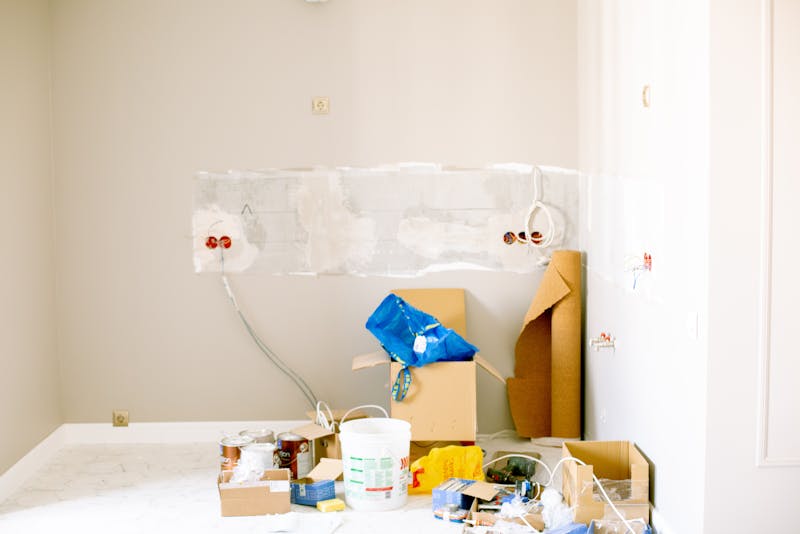
Knowing which tools and materials to invest in is crucial for a budget-friendly project. Careful selection ensures effectiveness without overspending.
Must-Have Items
- Waterproof Sealants: Epoxy or acrylic-based sealants for cracks and walls.
- Waterproof Paints: Masonry or concrete paint to create a moisture barrier.
- Sump Pump Kits: Budget-friendly models suitable for DIY installation.
- French Drain Components: Perforated pipes, gravel, and geotextile fabric.
- Moisture Meters: To monitor basement humidity and detect leaks early.
By purchasing the right tools and materials upfront, homeowners can complete a durable waterproofing project without unnecessary expenditures.
DIY vs. Professional Basement Waterproofing
Many homeowners wonder whether they should attempt waterproofing themselves or hire a professional. Each approach has advantages and drawbacks, particularly when working with a limited budget.
DIY Waterproofing Benefits
- Lower labor costs, making it more budget-friendly.
- Ability to work at your own pace and schedule.
- Opportunity to learn new skills and maintain your home independently.
Professional Waterproofing Benefits
- Expertise in handling major leaks and structural issues.
- Access to advanced equipment for thorough waterproofing.
- Long-term warranties for added peace of mind.
For budget-conscious homeowners, combining DIY methods with occasional professional inspections can strike the right balance. For example, a homeowner might install a sump pump and seal minor cracks themselves, while a professional addresses larger drainage problems.
Preventive Maintenance Tips to Keep Basements Dry
Waterproofing isn’t a one-time task. Regular maintenance ensures lasting protection and prevents small issues from becoming costly repairs.
Routine Checks
- Inspect walls, floors, and corners for signs of moisture every few months.
- Check sump pumps and drainage systems for clogs or malfunctions.
- Monitor humidity levels with a simple hygrometer.
Seasonal Preparations
- Clean gutters and downspouts in spring and fall.
- Inspect exterior grading before rainy seasons.
- Apply touch-ups to sealants or waterproof paint as needed.
Proactive maintenance preserves the integrity of your waterproofing efforts, ensuring a dry and safe basement year-round.
Budget-Friendly Upgrades for a Dry and Functional Basement
Waterproofing your basement opens up opportunities for other improvements. Once moisture issues are under control, homeowners can explore finishing options on a budget.
Basement Finishing Ideas
- Paint walls and floors to create a brighter, cleaner look.
- Install affordable flooring options, such as vinyl planks or carpet tiles.
- Add low-cost furniture and storage solutions to maximize usability.
Understanding the Cost of Finishing a Basement
Knowing the potential costs helps homeowners plan wisely. A budget-friendly waterproofing project combined with cost-effective finishing can transform a damp, unused space into a functional area.
- DIY finishing projects reduce labor expenses.
- Select materials that are moisture-resistant to avoid future problems.
- Plan for lighting, insulation, and ventilation to ensure comfort.
By combining waterproofing with practical finishing ideas, homeowners can increase the value and functionality of their basements without overspending.
Conclusion
Waterproofing a basement on a budget is entirely possible with the right approach. By recognizing warning signs, employing interior and exterior solutions, selecting affordable materials, and performing regular maintenance, homeowners can protect their basements from water damage without high costs. Combining these efforts with smart basement finishing ideas can turn a previously damp space into a usable and enjoyable part of your home. Understanding the cost of finishing a basement in advance ensures that your investment is strategic and sustainable.
Taking the time to plan, prioritize, and implement budget-friendly waterproofing measures can save homeowners thousands in future repairs, protect their family’s health, and enhance the overall value of their home. Whether you choose DIY methods, professional help, or a mix of both, a dry basement is within reach for every homeowner.