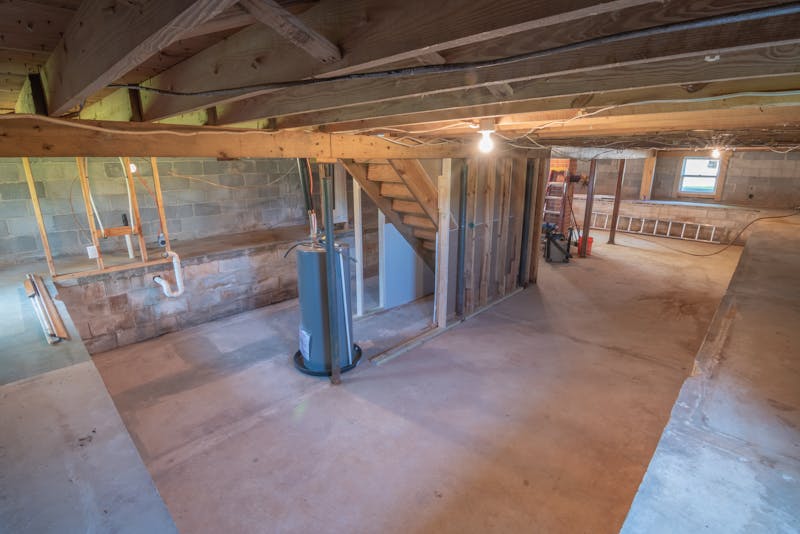
- Basement finishing costs vary widely due to factors like size, layout, materials, labor, and location.
- The condition of the existing basement, such as moisture or structural issues, can significantly increase costs.
- Material choices, from flooring to fixtures, play a major role in the overall budget.
- Labor costs differ by contractor experience and region, making multiple quotes essential.
- Adding features like bathrooms, home theaters, or custom storage increases expenses.
- Permits and local building codes can add hidden costs that homeowners should plan for.
- Careful planning and exploring budget-friendly basement finishing ideas help achieve a functional, stylish, and cost-effective space.
Finishing a basement can be one of the most rewarding home improvement projects. A finished basement offers additional living space, enhances your home’s value, and allows you to explore creative design ideas. However, many homeowners are often surprised at how widely the costs can vary. Understanding what drives these differences is crucial before committing to a project. From labor to materials, layout choices, and unexpected challenges, the final price depends on multiple factors.
This article breaks down the key elements that influence basement finishing costs and helps homeowners make informed decisions while exploring basement finishing ideas.
What Factors Influence Basement Finishing Costs?
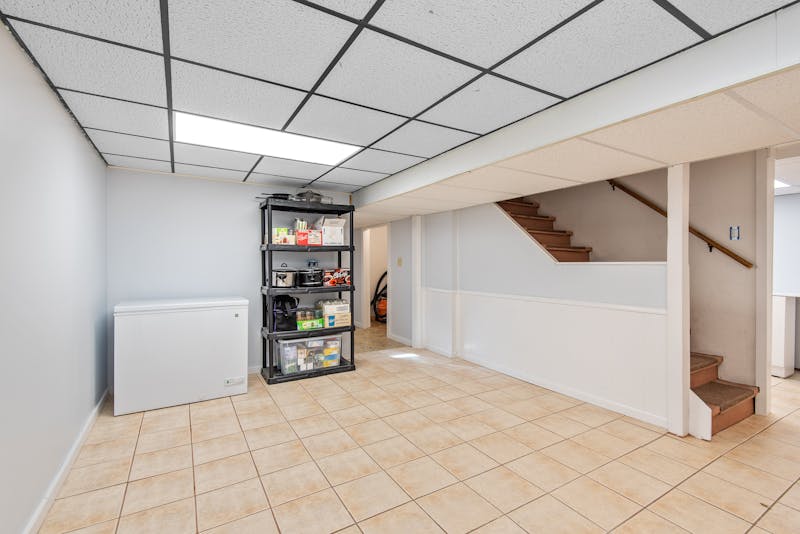
Basement finishing costs are influenced by a combination of structural, design, and labor considerations. Every basement is unique, so costs will differ depending on your home’s layout, size, and location. Even two basements of the same square footage can have vastly different finishing costs.
One of the primary factors is the condition of the existing basement. If your basement has moisture issues, uneven floors, or outdated wiring, these problems must be addressed before finishing. Additionally, the level of customization you choose, from standard walls to high-end finishes, dramatically impacts pricing.
Another critical aspect is labor costs, which can vary depending on your location and the experience of the contractor. Finally, adding features like bathrooms, wet bars, or media rooms can further increase expenses.
How Basement Size and Layout Affect the Cost
The size and layout of your basement play a major role in the total project cost. Larger basements naturally require more materials, labor, and time to complete. However, layout complexity can increase expenses even for smaller spaces.
For example, a basement with multiple rooms, nooks, or unusual shapes may require custom framing and drywall work. Plumbing and electrical installations can also be more complicated in irregular layouts. Homeowners should carefully consider the functionality and flow of the basement before committing to a design, as changes mid-project can quickly inflate costs.
Material Choices: Cheap vs. High-End Options
Materials can make or break your budget. The choices you make for flooring, walls, ceilings, and finishes directly affect the cost of finishing a basement.
- Flooring: Options range from carpet and vinyl to hardwood or polished concrete. Each comes with different installation and maintenance costs.
- Walls and Ceilings: Drywall is standard, but adding insulation, moisture barriers, or decorative finishes can increase prices.
- Fixtures and Finishes: High-end lighting, custom cabinets, or luxury bathroom fixtures will significantly raise the budget.
Choosing the right balance between quality and affordability is essential. Many homeowners opt for mid-range materials to achieve a polished look without overspending.
Labor and Contractor Rates: What You Need to Know
Labor is often one of the largest components of basement finishing costs. Contractors charge for various trades, including carpentry, plumbing, electrical, painting, and flooring installation.
Rates can vary depending on the contractor’s experience, reputation, and regional differences. Hiring a reputable contractor ensures quality work but may come at a higher cost. On the other hand, attempting a DIY approach can save money but carries risks if you lack experience in construction or electrical work. Homeowners should get multiple quotes and clarify the scope of work to avoid unexpected expenses.
The Impact of Additional Features and Upgrades
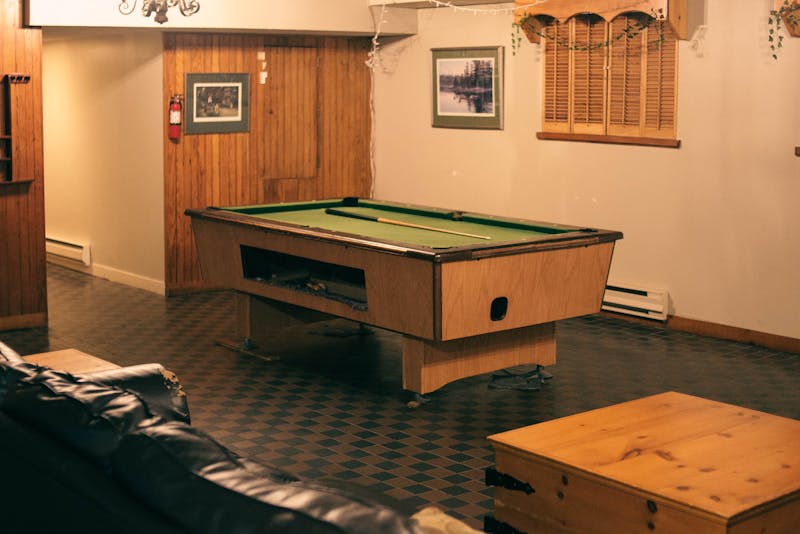
Adding specialized features or upgrades can dramatically change the cost. Many homeowners look for basement finishing ideas that transform their space into functional living areas, entertainment zones, or rental suites.
Some features that increase costs include:
- Bathrooms or wet bars
- Home theaters or media rooms
- Built-in storage solutions or custom cabinets
- High ceilings or decorative wall finishes
Each addition requires extra materials, labor, and sometimes permits. Understanding the costs of these upgrades before planning helps homeowners stay within budget while creating their ideal basement.
Location and Permits: Hidden Costs You Should Consider
The geographic location of your home also affects basement finishing costs. Labor rates, material prices, and permitting fees can vary significantly between cities and regions.
Permits are often required for electrical, plumbing, and structural changes. Failing to obtain proper permits can result in fines or require rework. Including these costs in your budget ensures you avoid surprises and maintain compliance with local building codes.
Final Thoughts: Planning for a Budget-Friendly Basement
The cost of finishing a basement can vary widely depending on factors like size, layout, materials, labor, and upgrades. Homeowners should carefully plan their project, prioritize must-have features, and explore basement finishing ideas that balance style and budget.
By understanding what affects costs, you can make informed decisions and avoid overspending. Requesting multiple contractor quotes, planning for hidden costs, and choosing materials wisely are essential steps toward a finished basement that meets your needs and enhances your home’s value.