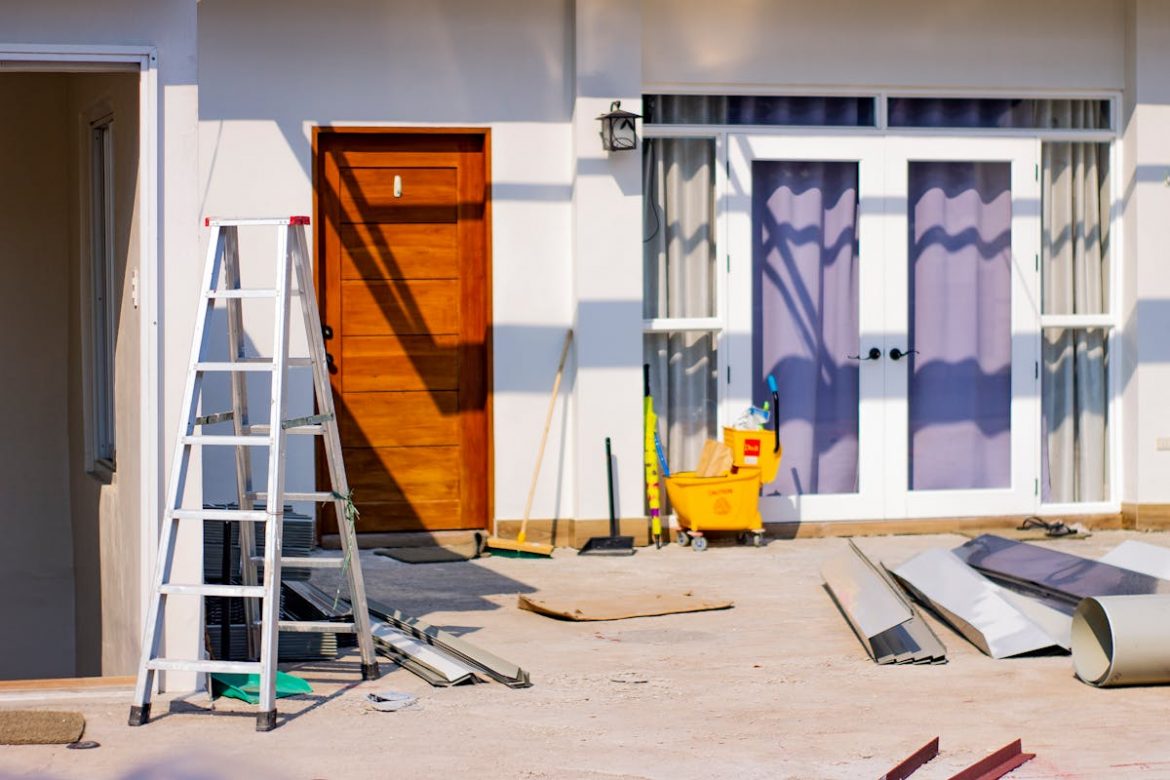
- Thorough planning is essential—rushing into home remodeling and construction without a clear scope, timeline, and budget often leads to costly changes and delays.
- Underestimating costs is a common mistake; homeowners should always include a contingency fund to cover hidden issues and unexpected expenses.
- Hiring the right contractor matters more than choosing the lowest bid, as experience, communication, and proper credentials directly impact project success.
- Skipping permits or ignoring local building codes can result in fines, failed inspections, and serious problems when selling the home.
- Focusing only on aesthetics instead of functionality can lead to long-term frustration and reduced home value.
- Clear contracts and consistent communication help prevent misunderstandings, disputes, and scope creep throughout the project.
Home remodeling and construction projects are exciting milestones for homeowners. Whether you’re upgrading a kitchen, expanding living space, or modernizing an older property, these projects promise improved comfort, functionality, and property value. However, they also come with risks. Small oversights can quickly turn into expensive problems, delays, or long-term regrets. Many remodeling mistakes stem from poor planning, unrealistic expectations, or a lack of professional guidance rather than bad intentions.
This article breaks down the most common home remodeling and construction mistakes homeowners make—and, more importantly, how to avoid them. Each section highlights a specific pitfall, explains why it happens, and provides practical strategies to help you stay in control of your project. By understanding these mistakes early, homeowners can protect their investment, reduce stress, and achieve results that truly enhance their homes.
Poor Planning Before Starting the Project
Every successful remodeling or construction project begins long before the first wall is torn down. Unfortunately, many homeowners rush into renovations fueled by inspiration rather than preparation. Poor planning often leads to design changes mid-project, unexpected expenses, and timelines that spiral out of control. Without a clear roadmap, even skilled contractors are left guessing, which increases the likelihood of costly errors.
Effective planning involves more than choosing finishes or browsing inspiration photos. Homeowners must consider how the renovation will affect daily life, structural integrity, permits, and long-term functionality. Skipping this step usually means decisions are made under pressure, when options are limited and more expensive.
Common planning mistakes homeowners make
- Starting demolition before finalizing the design
- Failing to account for structural or mechanical limitations
- Not planning temporary living arrangements during major work
How to avoid poor planning
- Develop a detailed project scope before hiring contractors
- Work with professionals to assess feasibility early
- Create a realistic timeline that includes buffer periods
Underestimating the True Cost of Remodeling
Budget overruns are among the most common—and stressful—home renovation issues. Many homeowners focus only on visible costs such as materials and labor, overlooking hidden expenses that inevitably arise. When budgets are too tight, homeowners may be forced to compromise on quality or halt work altogether.
Accurate budgeting requires understanding that remodeling and construction often uncover surprises, especially in older homes. Outdated wiring, plumbing issues, or structural damage can quickly inflate costs. Without a financial cushion, even small surprises can derail the entire project.
Costs homeowners often forget to include
- Permit and inspection fees
- Demolition and disposal costs
- Temporary housing or storage expenses
How to stay on budget
- Add a contingency fund of 10–20% to your budget
- Request detailed, itemized estimates from contractors
- Prioritize essentials over cosmetic upgrades
Basement renovations are a common example of where costs are frequently underestimated. Homeowners often overlook expenses related to moisture control, drainage, and structural protection. Learning how to waterproof a basement early in the planning phase can prevent water intrusion, foundation damage, and expensive repairs later. Proper waterproofing may include interior sealants, exterior membranes, sump pumps, or improved grading around the home—costs that are far lower when planned upfront than when addressed after water damage occurs.
Hiring the Wrong Contractor
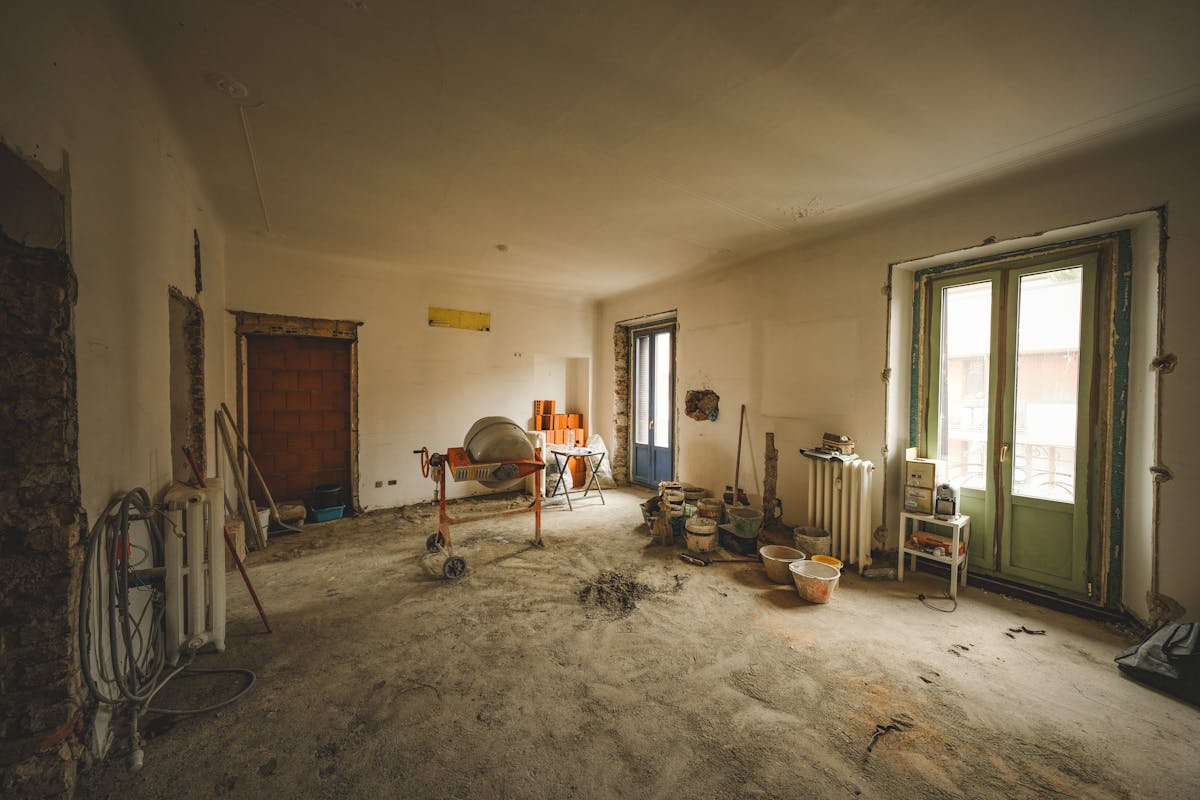
Choosing the wrong contractor can turn a dream renovation into a nightmare. Homeowners sometimes select contractors based on the lowest bid or fastest availability, rather than qualifications and experience. This approach increases the risk of poor workmanship, missed deadlines, and unresolved disputes.
A contractor is not just a service provider—they are a project partner. Their communication style, transparency, and reliability directly impact the outcome of your remodeling or construction project. Taking shortcuts during the hiring process often leads to regret.
Red flags when hiring a contractor
- No written contract or vague estimates
- Lack of proper licensing or insurance
- Poor communication or unclear timelines
How to hire the right professional
- Verify licenses, insurance, and references
- Review past projects similar to yours
- Use a detailed written contract outlining the scope and payment terms
Ignoring Permits and Local Building Codes
Permits and building codes exist to protect homeowners, yet they are often overlooked in an effort to save time or money. Skipping permits may seem harmless, but it can result in fines, forced demolition, or complications when selling the home. Local authorities can halt work entirely if violations are discovered.
Building codes ensure safety, structural integrity, and compliance with zoning laws. Ignoring them not only puts your investment at risk but can also endanger occupants. Homeowners are ultimately responsible, even if a contractor claims permits are unnecessary.
Problems caused by skipping permits
- Failed inspections and rework costs
- Legal issues during property resale
- Safety hazards due to non-compliant construction
How to stay compliant
- Research local permit requirements before starting
- Confirm who is responsible for securing permits
- Schedule inspections at required project milestones
Overlooking Functionality for Aesthetics
Design trends and visual appeal often drive remodeling decisions, but prioritizing aesthetics over functionality can lead to long-term dissatisfaction. A beautiful kitchen that lacks storage or a bathroom with a poor layout quickly becomes frustrating to use. Homeowners sometimes regret choices that looked good on paper but fail in everyday life.
Functional design ensures that spaces work efficiently for your lifestyle. Remodeling should enhance how a home is used, not just how it looks. Ignoring this balance can diminish comfort and resale value.
Examples of form-over-function mistakes
- Insufficient storage space
- Poor traffic flow in kitchens or living areas
- Inadequate lighting or ventilation
How to balance style and usability
- Design spaces around daily routines
- Consult professionals for layout optimization
- Test design plans before final approval
Skipping a Detailed Contract and Scope of Work
Verbal agreements and vague contracts are a major source of conflict in home remodeling and construction projects. When expectations are not clearly defined, misunderstandings arise regarding costs, timelines, and responsibilities. Homeowners may assume certain tasks are included, only to discover additional charges later.
A detailed contract protects both parties by clearly outlining the scope of work. It ensures accountability and provides a reference point if disputes occur. Without it, homeowners have little recourse when things go wrong.
What a strong contract should include
- Detailed scope of work and materials
- Payment schedule and milestones
- Change order and dispute resolution terms
How to protect yourself contractually
- Review contracts carefully before signing
- Avoid paying large sums upfront
- Document all changes in writing
Failing to Plan for Living Arrangements During Construction
Home remodeling projects often disrupt daily routines more than homeowners anticipate. Noise, dust, and limited access to essential spaces can quickly become overwhelming. Failing to plan for these disruptions adds unnecessary stress to an already complex process.
Living through construction without preparation can affect productivity, family life, and even safety. Homeowners should realistically assess whether staying in the home during renovations is feasible.
Common living arrangement challenges
- Limited kitchen or bathroom access
- Excessive noise and dust
- Safety risks for children and pets
How to prepare for disruptions
- Set up temporary living spaces
- Schedule work in phases when possible
- Consider short-term relocation for major projects
Cutting Corners on Materials and Workmanship
Trying to save money by choosing low-quality materials or rushed workmanship often backfires. Inferior products wear out faster, require frequent repairs, and can compromise safety. What seems like savings upfront usually results in higher long-term costs.
Quality materials and skilled labor are essential for durability and performance. Homeowners who focus solely on initial costs may end up paying twice for replacements or repairs.
Mold issues are another area where cutting corners can have serious consequences, particularly in basements and bathrooms. Moisture buildup, poor ventilation, and improper materials create ideal conditions for mold growth. Homeowners who fail to address these risks may later face health concerns and costly remediation. Understanding how to get rid of mold in basement spaces—through proper moisture control, professional remediation, and code-compliant construction—helps ensure a healthier living environment and protects long-term property value.
Risks of cutting corners
- Reduced lifespan of finishes and fixtures
- Increased maintenance and repair costs
- Lower resale value
How to invest wisely
- Prioritize quality in high-use areas
- Balance cost with durability and warranties
- Seek professional recommendations for materials
Poor Communication Throughout the Project
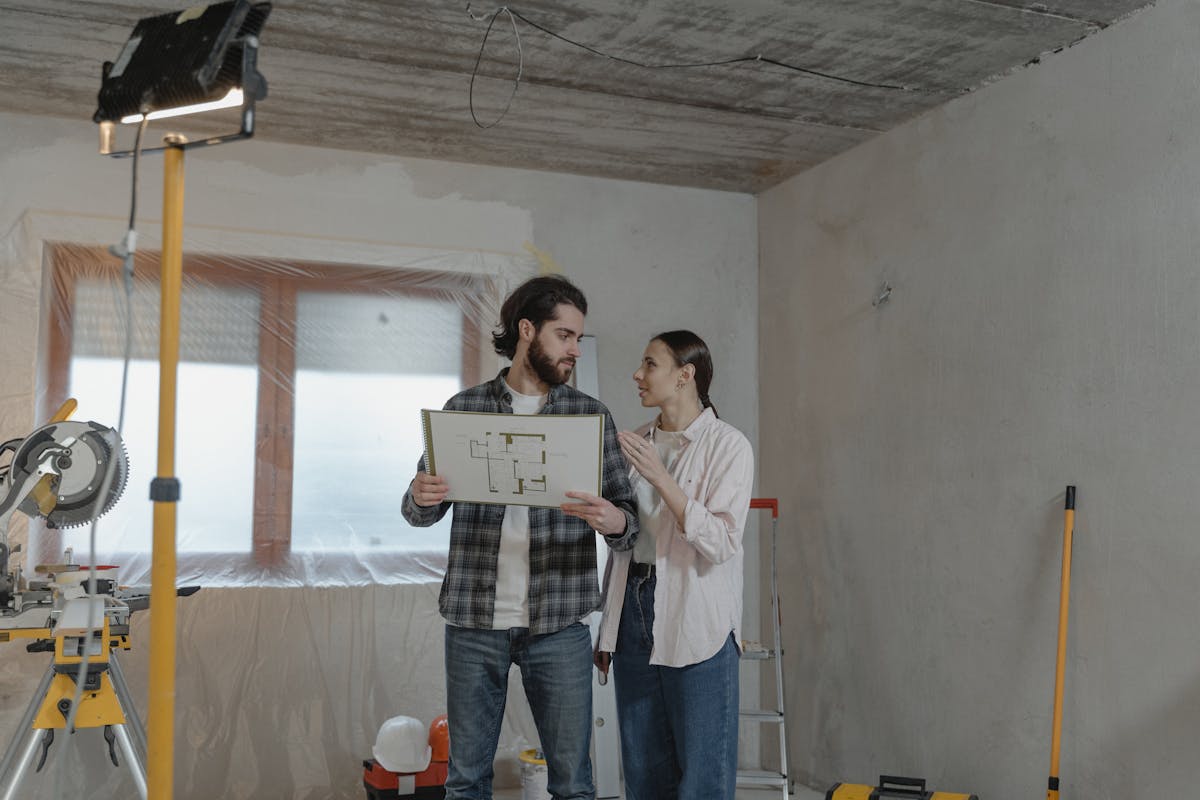
Miscommunication is a silent project killer. Homeowners who fail to maintain regular communication with contractors often feel blindsided by delays or changes. Assumptions replace clarity, leading to frustration on both sides.
Clear communication ensures everyone is aligned on progress, expectations, and potential issues. Without it, small problems can escalate into major disputes.
Communication breakdown examples
- Unclear timelines or delays
- Unapproved design changes
- Confusion over responsibilities
How to maintain clear communication
- Schedule regular progress meetings
- Keep written records of decisions
- Address concerns promptly and professionally
Not Thinking Long-Term About Home Remodeling and Construction
Many homeowners focus only on immediate needs, overlooking how their choices will impact the home years down the line. Remodeling decisions should consider future maintenance, resale value, and lifestyle changes. Ignoring the long-term perspective can limit flexibility and reduce return on investment.
Home remodeling and construction should enhance a home’s longevity and adaptability. Planning with the future in mind ensures that renovations remain valuable and functional over time.
Short-term thinking pitfalls
- Trend-driven designs that age quickly
- Layouts unsuitable for future needs
- Materials requiring high maintenance
How to plan for the future
- Choose timeless designs and finishes
- Consider aging-in-place features
- Evaluate long-term maintenance requirements
Final Thoughts: Avoiding Costly Remodeling Regrets
Home remodeling and construction projects are significant investments that deserve careful planning and informed decision-making. Most mistakes are preventable when homeowners take the time to plan, budget realistically, hire qualified professionals, and communicate clearly. By understanding common pitfalls, homeowners can approach renovations with confidence rather than uncertainty.
Avoiding these mistakes doesn’t just save money—it protects peace of mind. A well-executed remodeling project enhances comfort, functionality, and property value for years to come. With the right preparation and mindset, homeowners can turn their renovation goals into lasting success.